
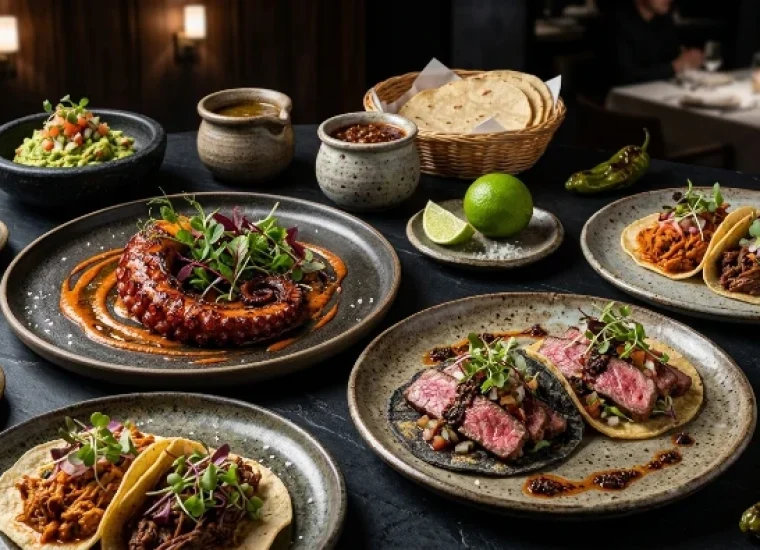
The top 5 Mexican dishes include tacos, enchiladas, tamales, pozole, and mole. These staples represent centuries of tradition, regional diversity, and flavor innovation that define authentic Mexican cuisine across the country and beyond.
According to the National Restaurant Association, Mexican food ranks as the third most popular cuisine in the United States, with 86% of Americans reporting they enjoy it regularly. That popularity stems from bold flavors, fresh ingredients, and dishes that range from street food simplicity to complex, multi-layered creations.
This guide breaks down the top five dishes that capture the essence of Mexican cooking. You’ll learn what makes each one special, how they’re traditionally prepared, and where to find authentic versions in La Mesa. Whether you’re new to Mexican cuisine or looking to expand your palate, these five dishes offer the perfect starting point.
What Makes Tacos the Most Iconic Mexican Dish?
Tacos are corn or flour tortillas filled with meat, vegetables, or seafood, topped with cilantro, onions, lime, and salsa. They originated as portable meals for Mexican silver miners in the 18th century and have since become the most recognized Mexican dish worldwide.
The beauty of tacos lies in their versatility. Street vendors serve them with simple fillings like carne asada or carnitas. Restaurants offer complex variations with grilled fish, braised beef tongue, or slow-cooked pork shoulder. The tortilla acts as both plate and utensil.
Traditional taco preparation starts with corn tortillas heated on a comal until they blister and char slightly. Fillings vary by region. Coastal areas favor fish and shrimp. Northern Mexico leans toward beef. Central regions use pork and chicken.
Common Taco Varieties
- Carne Asada: Grilled beef marinated in lime and spices
- Al Pastor: Spit-roasted pork with pineapple and chiles
- Carnitas: Slow-braised pork fried until crispy
- Pescado: Battered or grilled fish with cabbage slaw
- Barbacoa: Steamed beef or lamb wrapped in maguey leaves
A proper taco uses two small tortillas stacked together. This prevents tearing and makes eating easier. Toppings should complement, not overwhelm, the filling. Fresh cilantro, diced white onion, and a squeeze of lime are standard. Salsa ranges from mild pico de gallo to fiery habanero.
Pro Tip: Order tacos with corn tortillas for authenticity. Flour tortillas are a Tex-Mex adaptation popular in northern border states but not traditional in central and southern Mexico.
Why Are Enchiladas Considered Comfort Food?
Enchiladas are corn tortillas dipped in chile sauce, filled with meat or cheese, rolled, and baked until the sauce bubbles. The dish dates back to the Aztecs, who wrapped tortillas around small fish and other fillings before Spanish colonization.
The sauce defines the enchilada. Red enchiladas use dried chile guajillo or ancho peppers blended with tomatoes and garlic. Green versions rely on tomatillos and jalapeños. Mole enchiladas feature the complex chocolate-chile sauce from Oaxaca. Each sauce creates a completely different dish.
Fillings range from shredded chicken and beef to cheese and beans. Some recipes layer the tortillas like lasagna instead of rolling them. The dish is always served hot, often topped with crema, queso fresco, and fresh onion slices.
Regional Enchilada Styles
| Style | Sauce | Typical Filling | Origin |
| Enchiladas Verdes | Green tomatillo | Chicken | Central Mexico |
| Enchiladas Rojas | Red chile | Cheese or beef | Nationwide |
| Enchiladas Suizas | Creamy green sauce | Chicken | Mexico City |
| Enchiladas de Mole | Mole poblano | Chicken | Puebla |
The key to great enchiladas is lightly frying the tortillas before dipping them in sauce. This step prevents sogginess and helps the tortillas hold their shape during baking. Many home cooks skip this step, but it makes a noticeable difference in texture.
What Makes Tamales a Celebration Food?
Tamales are masa dough filled with meats, cheeses, or chiles, wrapped in corn husks or banana leaves, then steamed until firm. Families traditionally make hundreds at once during Christmas, weddings, and other celebrations, turning the process into a communal event.
Making tamales takes time and teamwork. The masa must be whipped until fluffy. Fillings get prepared separately. Someone spreads masa on softened corn husks while another adds filling. The husks are folded and stacked in a steamer for 60 to 90 minutes.
Regional variations show incredible diversity. Oaxacan tamales use banana leaves and mole negro. Veracruz versions include fish and olives. Northern tamales tend toward simple pork and red chile. Sweet tamales filled with fruit, cinnamon, and sugar serve as dessert.
Steps for Making Traditional Tamales
- Soak dried corn husks in warm water for 30 minutes
- Beat lard or vegetable shortening until fluffy
- Mix masa harina with broth and beaten fat until light
- Spread 2-3 tablespoons masa on each husk
- Add filling down the center
- Fold sides of husk over filling, then fold bottom up
- Stand tamales upright in steamer basket
- Steam for 60-90 minutes until masa pulls away from husk
The tamalada, or tamale-making gathering, remains an important Mexican tradition. Extended families meet to prepare dozens or hundreds of tamales together. Children learn techniques from grandparents. Stories and laughter fill the kitchen while everyone works.
How Does Pozole Bring Communities Together?
Pozole is a hearty hominy stew cooked with pork or chicken, chiles, and spices, served with fresh toppings like cabbage, radishes, oregano, and lime. Pre-Hispanic cultures considered it a ceremonial dish, and it remains central to Mexican celebrations today.
Three main varieties exist based on chile content. Pozole rojo uses dried red chiles for a deep, earthy flavor. Pozole verde gets its color from pumpkin seeds, tomatillos, and jalapeños. Pozole blanco contains no chiles at all, letting the pork and hominy shine.
The cooking process starts the day before serving. Large pots simmer pork shoulder or chicken with hominy for hours until the meat falls apart. The broth develops richness from bones and connective tissue. Diners customize their bowls with an array of fresh toppings at the table.
Traditional Pozole Toppings
- Shredded cabbage or lettuce
- Thinly sliced radishes
- Dried oregano
- Chile powder or hot sauce
- Lime wedges
- Diced white onion
- Crispy tostadas on the side
- Avocado slices
Restaurants and homes across Mexico serve pozole on Thursdays and weekends. The dish appears at every major celebration, from Independence Day to family birthdays. A steaming bowl of pozole with all the fixings creates an interactive dining experience that brings people together.
Pro Tip: Look for pozole made with nixtamalized hominy rather than canned. The traditional lime-treated corn provides better texture and authentic flavor that canned versions cannot match.
What Makes Mole Mexico’s Most Complex Dish?
Mole is a rich sauce made from 20 to 40 ingredients including dried chiles, nuts, seeds, spices, chocolate, and fruit, simmered for hours until thick and glossy. The sauce represents the pinnacle of Mexican cooking, with recipes passed down through generations and closely guarded by families.
Oaxaca claims seven distinct mole varieties, but mole poblano remains the most famous. The sauce balances savory and sweet elements. Dried chiles provide heat and depth. Chocolate adds richness without sweetness. Sesame seeds, almonds, and pumpkin seeds create body. Cinnamon, cloves, and anise contribute warmth.
Traditional preparation involves toasting each ingredient separately before grinding and blending. The process can take two full days. Modern cooks use blenders and food processors, but purists still grind on volcanic stone metates for superior texture.
Key Ingredients in Mole Poblano
| Category | Ingredients | Purpose |
| Chiles | Ancho, mulato, pasilla | Heat, depth, color |
| Seeds/Nuts | Sesame, almonds, pumpkin seeds | Thickness, richness |
| Spices | Cinnamon, cloves, black pepper | Warmth, complexity |
| Sweet | Dark chocolate, raisins | Balance, depth |
Mole traditionally serves over chicken or turkey with rice on the side. Special occasions call for mole. Weddings feature it prominently. Restaurants that specialize in mole often offer nothing else on the menu because preparation demands such focus and skill.
The sauce keeps well in the refrigerator for weeks and freezes beautifully. Many cooks make large batches to have on hand. Leftover mole transforms simple grilled chicken into an impressive meal in minutes.
Where Can You Find Authentic Mexican Food in La Mesa?
La Mesa offers several excellent options for authentic Mexican cuisine. When looking for the real deal, focus on restaurants that make tortillas in-house, offer multiple salsas, and feature regional specialties beyond standard combination plates.
For traditional preparations of these five essential dishes, la mesa mexican restaurant stands out with family recipes and fresh ingredients. The kitchen prepares mole from scratch and makes tamales using traditional methods passed down through generations.
Look for busy restaurants where Spanish dominates the conversation. Check if they offer breakfast items like chilaquiles and menudo on weekend mornings. Authentic spots serve agua frescas, tamarind sodas, and Mexican Coca-Cola instead of fountain drinks.
The best Mexican restaurants in La Mesa source specific ingredients from specialty suppliers. They use Mexican oregano, not Italian. They stock piloncillo instead of brown sugar. They import dried chiles rather than relying on powder. These details matter.
Frequently Asked Questions About Mexican Dishes
Do all Mexican dishes contain hot chiles?
Not all Mexican dishes are spicy. Many feature mild chiles used for flavor rather than heat. Dishes like chicken with mole poblano or cheese enchiladas suizas offer complex flavors without burning spice. Diners control heat by choosing salsas and toppings at the table.
What is the difference between Mexican and Tex-Mex food?
Mexican food uses corn tortillas, complex sauces, and indigenous ingredients. Tex-Mex relies heavily on flour tortillas, yellow cheese, and ground beef. Dishes like fajitas and nachos are Tex-Mex inventions. Traditional Mexican cuisine emphasizes slow-cooked meats, fresh salsas, and regional specialties.
Can vegetarians find options in Mexican cuisine?
Mexican cuisine offers excellent vegetarian options. Bean and cheese dishes appear throughout the country. Nopales, mushrooms, and squash blossoms provide filling alternatives. Many regions feature meatless moles and vegetable-stuffed chiles. Rice and beans form complete proteins together.
How do you eat tacos properly?
Hold tacos with both hands and tilt your head to take a bite. The double tortilla prevents tearing and catches drips. Add toppings sparingly so they do not fall out. Squeeze lime over everything just before eating. Use the second tortilla from a torn taco to start a new one.
What makes street tacos different from restaurant tacos?
Street tacos use small corn tortillas with simple fillings and minimal toppings. They cost less and focus on one or two high-quality ingredients. Restaurant tacos often come on larger tortillas with multiple toppings and side dishes. Street versions emphasize the filling’s flavor over presentation.
Why do tamales take so long to make?
Tamales require multiple preparation steps that cannot be rushed. The masa must be beaten to the right consistency. Fillings cook separately. Each tamale gets assembled by hand. Steaming takes 60 to 90 minutes. The time investment makes tamales special occasion food meant for sharing.
Is mole supposed to taste like chocolate?
Mole should not taste primarily of chocolate. The chocolate adds depth and richness but remains one of many ingredients. A well-made mole balances chile heat, savory spices, and subtle sweetness into a complex sauce where no single flavor dominates.