
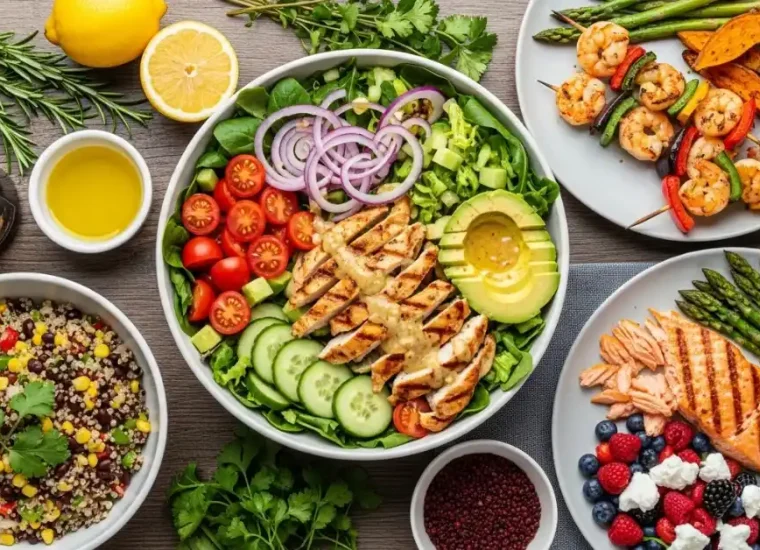
Eating at a Mexican restaurant while on a diet may seem tricky with all the delicious, rich, and calorie-laden options on the menu. However, Mexican cuisine offers many flavorful, nutritious, and satisfying choices that fit into a healthy eating plan. By making mindful decisions and opting for lighter, balanced dishes, you can enjoy a delicious meal without breaking your diet.
1. Grilled Protein Dishes
One of the best ways to enjoy a healthy meal at a Mexican restaurant is to opt for grilled protein-based dishes. Grilled chicken, fish, or shrimp are lean protein options that are low in calories but high in nutrition. Grilling is a healthier cooking method compared to frying, as it reduces the amount of oil and fat used in the preparation.
Healthy Choices:
- Pollo Asado (Grilled chicken): A flavorful, juicy option that pairs well with vegetables or a side of rice.
- Grilled Shrimp Tacos: Ask for them to be grilled, not fried, and opt for corn tortillas for a lighter alternative.
- Fish Tacos: Choose grilled fish over fried, and skip the sour cream or creamy dressings to keep things lighter.
Grilled proteins provide essential nutrients like protein and omega-3 fatty acids (in the case of fish) while keeping fat content low, making them an excellent choice for a balanced diet.
2. Salads with Lean Protein
Many Mexican restaurants offer hearty salads that can be customized to be healthy and filling. To keep the salad diet-friendly, choose options with lean proteins like grilled chicken, shrimp, or beans instead of fried meats. Be sure to request the dressing on the side to avoid excess calories from oils or creamy dressings.
Healthy Choices:
- Grilled Chicken Salad: Look for salads that feature grilled chicken with fresh veggies like lettuce, tomatoes, cucumbers, and avocado. Ask for a vinaigrette dressing on the side.
- Taco Salad (Without Fried Shell): Opt for a taco salad but request no fried shell to cut back on calories. Top it with grilled chicken, beans, salsa, and a small amount of guacamole for healthy fats.
Salads provide a great way to fill up on vegetables, lean proteins, and healthy fats while controlling calorie intake.
3. Tacos with Healthy Fillings
Tacos are a popular Mexican dish, but they can quickly become calorie-dense depending on the fillings and toppings you choose. To make tacos healthier, opt for lean meats, like grilled chicken or fish, and skip the fried fillings. Choose corn tortillas over flour tortillas, as they are typically lower in calories and refined carbs.
Healthy Choices:
- Chicken or Fish Tacos: Ask for grilled chicken or fish as your filling, and opt for corn tortillas for a lighter option. Skip the cheese and sour cream, or ask for a small amount.
- Vegetarian Tacos: If you’re looking to reduce your calorie intake, vegetarian tacos with sautéed vegetables, beans, or avocado are a great option. They’re filling, high in fiber, and low in calories.
Tacos made with lean protein or plant-based fillings are a great choice for satisfying your craving while keeping your meal light.
4. Ceviche
If you’re looking for something refreshing and light, ceviche is an excellent choice. Ceviche is typically made with fish or shrimp that’s “cooked” in citrus juice, mixed with fresh vegetables like tomatoes, onions, and cilantro. It’s a low-calorie dish that’s high in protein and healthy fats.
Why It’s Healthy:
- Low in calories: Ceviche is light and refreshing, making it a great starter or light meal.
- Rich in protein: The fish or shrimp provide lean protein, which is crucial for muscle repair and maintaining energy levels.
- High in nutrients: With its fresh vegetables and herbs, ceviche is a good source of vitamins, minerals, and antioxidants.
Ceviche is a flavorful option that’s satisfying without being heavy on your stomach or your calorie count.
5. Grilled Fajitas
Fajitas are another popular Mexican dish that can be diet-friendly if prepared correctly. The key is to choose grilled meats (such as chicken, shrimp, or steak) and pair them with a healthy side of vegetables instead of the usual rice, beans, or tortillas. Fajitas often come with a variety of grilled peppers, onions, and other vegetables that can be eaten on their own or with a small portion of tortillas.
Healthy Choices:
- Chicken or Shrimp Fajitas: Opt for grilled chicken or shrimp fajitas, and ask for extra veggies like peppers and onions. Skip the tortillas or have just one or two corn tortillas if you want to keep your carbs in check.
- Vegetarian Fajitas: Many restaurants offer vegetarian fajitas with grilled vegetables such as bell peppers, onions, zucchini, and mushrooms. These are low in calories but high in fiber, making them a filling and nutritious choice.
Grilled fajitas are customizable and offer a great balance of protein, healthy fats, and fiber, making them a healthy option for anyone on a diet.
6. Salsa and Guacamole (In Moderation)
Salsa and guacamole are two staples at Mexican restaurants that can be healthy choices—when eaten in moderation. Salsa is typically made with fresh tomatoes, onions, and cilantro, and is low in calories and full of flavor. Guacamole, made with avocados, is rich in healthy fats and fiber, but it’s also calorie-dense, so portion control is key.
Healthy Choices:
- Salsa with Veggies or Chips: Opt for salsa served with fresh veggies like cucumber, carrots, or bell peppers. If you prefer chips, go for a small portion of tortilla chips to avoid excess calories.
- Guacamole: Enjoy guacamole in moderation, as it’s packed with healthy fats and fiber. Skip the sour cream or cheese to keep it lighter.
When used as a dip for fresh vegetables or as a topping for grilled meats, both salsa and guacamole can be a satisfying addition to your meal.
7. Beans and Rice (In Moderation)
Both beans and rice are common sides at Mexican restaurants, but they can be high in calories if served in large portions. However, they can still be part of a healthy meal when eaten in moderation. Beans, especially black beans, are high in fiber and protein, while rice offers carbohydrates for energy.
Healthy Choices:
- Black Beans: Opt for black beans over refried beans, which often contain added fats. Black beans are a great source of protein and fiber.
- Brown Rice: If available, ask for brown rice instead of white rice. Brown rice is a whole grain and offers more fiber, which helps with digestion and satiety.
Moderate portions of beans and brown rice can complement your meal without overloading you on calories.
8. Avoid Fried Foods and Heavy Sauces
While it’s tempting to indulge in fried items like chimichangas, flautas, or heavy sauces like cheese or sour cream, these can quickly add unnecessary calories and fats to your meal. Instead, focus on dishes that are grilled, sautéed, or served with light, fresh ingredients.
