
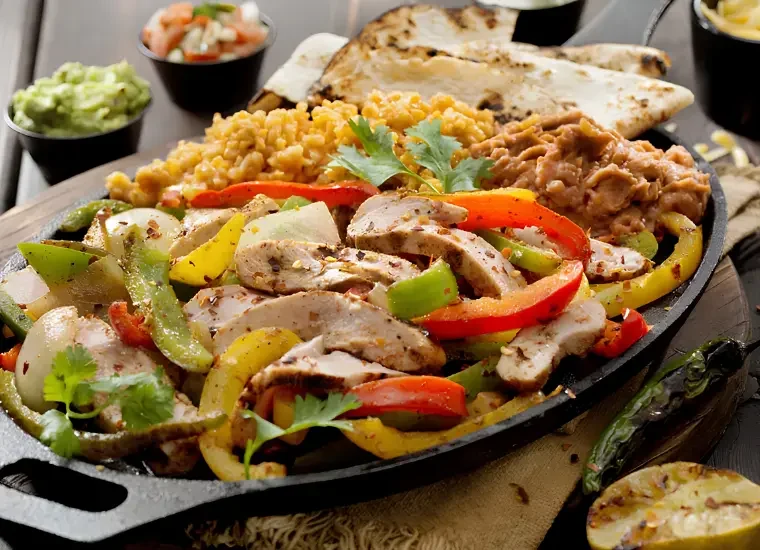
The healthiest meal at a Mexican restaurant combines lean grilled protein, corn tortillas, beans, and fresh salsa. Ceviche, grilled fish tacos, a burrito bowl, and a bowl of tortilla soup rank among the lightest, most nutrient-dense picks on a typical menu. None of these dishes need heavy cream sauces, deep frying, or a mountain of cheese to taste good.
Mexican food carries a reputation for being heavy and calorie-loaded. That reputation comes from a handful of fried, cheese-heavy dishes, not from the cuisine itself. Once you know which plates to order, a Mexican restaurant becomes one of the easier places to eat a balanced meal.
Why Mexican Cuisine Is Naturally Healthy
Traditional Mexican cooking relies on whole ingredients rather than processed ones. Beans, corn, fresh vegetables, and lean meats form the base of most authentic dishes, long before cheese or sour cream enter the picture.
Beans Build Protein and Fiber
Beans supply plant-based protein and dietary fiber in a single serving. Fiber slows digestion, steadies blood sugar, and lowers the glycemic load of a meal. Black beans, pinto beans, and slow-simmered frijoles a la charra all deliver this benefit. A 2017 meta-analysis of cohort studies found that higher legume consumption is linked to a lower risk of cardiovascular disease.
Avocado Provides Heart-Healthy Fat
Avocado brings monounsaturated fat to the plate, the same type of fat found in olive oil. A randomized controlled trial found that a diet including one avocado a day lowered LDL cholesterol more than a matched moderate-fat diet without avocado. A scoop of fresh guacamole also replaces sour cream or extra cheese without losing any creaminess, though portion size still matters since avocado is calorie-dense.
Salsa Adds Flavor Without Extra Calories
Salsa turns a plain dish into a flavorful one for almost no calorie cost. Fresh tomatoes, tomatillos, onions, cilantro, and chilies bring vitamin C and antioxidants to the table. A spoonful of salsa runs 5 to 10 calories, compared to 50 or more for the same spoonful of cheese or sour cream.
Traditional Spices Support Flavor Without Added Fat
Mexican cooking leans on cumin, oregano, cinnamon, and chili peppers instead of extra fat or sugar for flavor. The capsaicin in chili peppers may cause a small, temporary rise in calorie burn, though the effect is modest rather than a meaningful weight-loss tool on its own. Their bigger benefit is flavor: a spice-forward dish satisfies the palate without needing extra fat.
Calorie and Sodium Comparison: Healthiest Picks vs. Dishes to Limit
Numbers make the difference clearer than descriptions alone. The figures below are typical restaurant-style estimates for a standard portion; exact numbers vary by kitchen and portion size.
| Dish | Calories (approx.) | Protein | Sodium | Diet Notes |
| Ceviche (1 cup) | 130–160 | ~20g | ~350mg | Gluten-free, low-carb |
| 2 grilled fish or chicken tacos, corn tortilla | 280–320 | ~25g | ~450mg | Gluten-free |
| Chicken fajitas, no tortilla | 340–380 | ~35g | ~600mg | Keto-friendly, gluten-free |
| Burrito bowl, chicken, beans, salsa | 500–550 | ~35g | ~850mg | Gluten-free |
| Chicken enchiladas (2), red or green sauce | 420–460 | ~28g | ~950mg | — |
| Tortilla soup or chicken soup | 180–220 | ~15g | ~700mg | — |
| Deluxe burrito, flour tortilla, full toppings | 900–1,000 | ~30g | ~1,800mg | High sodium |
| Chimichanga (deep-fried burrito) | 1,400–1,600 | ~35g | ~2,000mg+ | High fat, high sodium |
| Nachos, full plate with cheese and toppings | 1,000–1,200 | ~30g | ~1,900mg | High fat |
| Quesadilla, restaurant-size | 1,100–1,300 | ~40g | ~1,700mg | High fat |
The pattern holds across the board: dishes built on grilled protein, corn tortillas, and salsa stay under 600 calories and under 1,000mg of sodium. Fried, cheese-wrapped dishes routinely double or triple both numbers.
6 Rules for Building a Healthier Plate
A few ordering habits turn almost any Mexican menu into a healthy one.
- Tortilla Choice: Choose corn tortillas over flour tortillas. Corn tortillas carry more fiber and less fat, sodium, and sugar, and they are naturally gluten-free.
- Protein Choice: Pick a lean protein. Grilled chicken, grilled fish, shrimp, or steak deliver protein without the extra saturated fat found in chorizo or carnitas.
- Dairy Swap: Skip the sour cream and heavy cheese. Replace them with guacamole, salsa, pico de gallo, or cilantro.
- Sauce Choice: Choose tomato-based sauces over cream-based ones. Ranchera and salsa verde bring flavor without the saturated fat that queso or “suiza” cream sauces carry.
- Format Choice: Order the salad-style version of a dish. A fajita salad or taco salad served without the fried shell keeps the flavor and cuts several hundred calories.
- Bean Choice: Ask for beans cooked without lard. A bowl of black beans or pinto beans in broth runs lower in fat and cholesterol than traditional refried beans.
8 of the Healthiest Mexican Dishes to Order
1. Ceviche
Fresh fish or shrimp “cooked” in lime juice with tomato, onion, and cilantro. Ceviche runs high in protein, low in fat, and it is naturally gluten-free. Try it from our seafood specials menu.
2. Grilled Fish or Shrimp Tacos
Two or three tacos on corn tortillas, topped with onion and cilantro, form a portion-controlled meal. Skipping the sour cream and heavy cheese keeps the sodium and saturated fat low.
3. Chicken Fajitas
Grilled chicken with peppers and onions delivers lean protein and fiber-rich vegetables on one plate. Ordering fajitas without the tortilla, or with corn instead of flour, keeps the dish keto-friendlier.
4. A Burrito Bowl
Removing the oversized flour tortilla alone cuts close to 300 calories from a standard burrito. The same rice, beans, protein, and salsa stay on the plate, just without the extra carbohydrate load.
5. Chicken Enchiladas, Red or Green Sauce
Corn tortillas rolled around lean chicken and topped with a tomato-based sauce stay lighter than cream-based versions. Red and green sauces bring vitamin C and antioxidants without the added saturated fat found in “suiza” cream sauces.
6. A Clear, Broth-Based Soup
Tortilla soup, chicken soup, or a seafood soup from our homemade soups menu stays hydrating, low in fat, and filling. A broth base also keeps sodium easier to control than a cream-based soup.
7. A Grilled Protein Salad Without the Fried Shell
Mixed greens topped with grilled chicken, avocado, and a salsa-based dressing form a low-calorie, high-fiber meal. Skipping the fried tortilla shell alone removes several hundred calories.
8. Pozole
This hominy stew, garnished with cabbage, radish, and lime, stays nutrient-dense and broth-based rather than fried. The hominy adds fiber, while the lean pork or chicken supplies protein without excess fat.
Dishes to Order Less Often
A handful of popular dishes carry a heavy calorie, fat, and sodium load, as the table above shows. Save these for an occasional treat rather than a weekly order:
- Deep-fried items such as chimichangas, flautas, and taquitos
- Nachos piled with cheese, sour cream, and guacamole
- Quesadillas pan-fried between two large flour tortillas
- Queso and other cheese-based dips
- Chile relleno, a batter-fried and cheese-stuffed pepper
- A deluxe burrito wrapped in a large flour tortilla with extra cheese and sour cream
- Traditional refried beans cooked with added lard
- A taco salad served in a fried tortilla shell
How to Customize Any Order for a Lighter Meal
Restaurant staff expect substitution requests. A few small changes make almost any dish lighter:
- Ask for salsa or pico de gallo instead of sour cream.
- Request grilled protein instead of fried.
- Order sauce or dressing on the side, not poured over the dish.
- Swap rice for an extra portion of vegetables or beans.
- Choose two or three tacos instead of one large burrito for built-in portion control.
A Healthy Mexican Breakfast Exists Too
Breakfast, or desayuno mexicano, offers just as many light options as lunch and dinner. Huevos a la Mexicana, made with scrambled eggs, tomato, and onion, keeps the plate protein-forward without added cream.
Fruit plates, yogurt with granola, and avocado toast with a Mexican twist round out the lighter side of a traditional Mexican breakfast menu. A full desayuno mexicano completo usually pairs eggs and beans with fresh juice, so black coffee or plain fruit juice keeps the meal balanced without added sugar.
Chef’s Note
“Fresh ingredients do most of the work. When the beans are simmered from scratch, the salsa is made that morning, and the fish is grilled instead of fried, a healthy plate and a flavorful plate end up being the same plate.” — Chef German Rojas
Try These Healthy Picks at La Casa Blanca
Ceviche and shrimp cocktail from the seafood menu, a bowl of Sopa de Tortilla or Caldo de Rez, and the Ensalada de Chef all follow the same principles covered above: lean protein, fresh vegetables, and salsa instead of heavy cream.
Our kitchen builds every dish from scratch, which makes ordering a lighter meal simple rather than restrictive. Browse the full menu or get in touch to plan your next visit.
Frequently Asked Questions
What is the healthiest thing to order at a Mexican restaurant?
Ceviche, grilled fish or chicken tacos on corn tortillas, a burrito bowl, or a broth-based soup rank among the lightest and most nutritious choices on most menus, typically 150–550 calories per serving.
Are corn tortillas healthier than flour tortillas?
Yes. Corn tortillas carry more fiber and less fat, sodium, and sugar per serving than flour tortillas, and they are naturally gluten-free.
Can tacos fit into a healthy diet?
Yes. Two or three tacos made with grilled protein, corn tortillas, onion, and cilantro form a balanced, portion-controlled meal, usually under 350 calories total.
What Mexican dishes should I avoid ordering often?
Deep-fried dishes such as chimichangas and flautas, cheese-loaded nachos, queso, and quesadillas carry the highest calorie, fat, and sodium counts, often exceeding 1,000 calories per plate.
Is Mexican breakfast healthy?
Many Mexican breakfast dishes, including huevos a la Mexicana, fruit plates, and bean-based plates, offer a balanced mix of protein, fiber, and healthy fat, especially when ordered without extra cheese.
What Mexican food is safe for GERD?
Grilled, non-spicy dishes sit best with acid reflux. Grilled chicken or fish tacos, a plain burrito bowl, or mild chicken enchiladas skip the two biggest triggers: heavy fat and strong chili heat. Check with a doctor about your specific triggers.
What Mexican food can I eat with diverticulitis?
During a flare, broth-based soup without beans, plain grilled chicken, and soft rice are easier to digest. Fiber-rich foods like beans and vegetables are usually reintroduced once the flare passes. Needs vary by person, so follow a doctor’s guidance.
Can you eat Mexican food if you have high cholesterol?
Yes. Choose grilled protein over fried, beans over cheese-heavy sides, and tomato-based sauces over cream-based ones. Guacamole in moderation is a smart swap for sour cream, since its fat is mostly the heart-healthy monounsaturated type.