
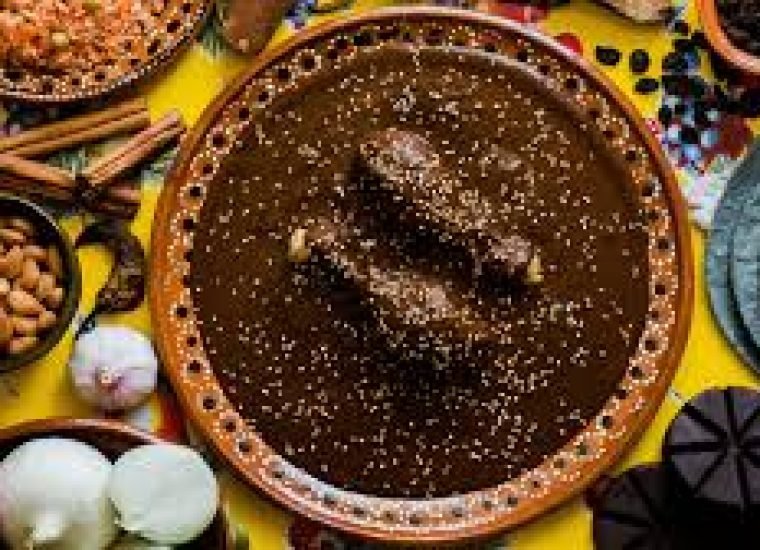
Looking for the soul of Oaxacan cooking? Start with its seven famous moles layered sauces built from toasted chiles, seeds, spices, and time.
Begin your tasting at La Casa Blanca Mexican Food in El Cajon, where we love sharing the stories behind these iconic sauces.
What exactly are “the seven moles of Oaxaca”?
They’re seven classic styles negro, rojo, coloradito, amarillo, verde, manchamantel, and chichilo.
Each has its own color, heat, and ingredients, but all lean on dried chiles, spices, and careful toasting.
Context & key facts
- Many families cook far more than seven, but these seven are the best-known “stars.”
- Most moles use 20+ ingredients, think nuts/seeds, bread or tortillas for body, and dried fruits for sweetness.
- “Mole” comes from Nahuatl mōlli, meaning “sauce.”
Where did mole come from and why is it such a big deal?
Mole blends Indigenous techniques with Old World spices; it’s Mexico in a sauce.
Traditional Mexican cuisine, even everyday tortillas and festival dishes like mole is UNESCO-recognized heritage.
Context & key facts
- Pre-Hispanic cooks ground chiles and herbs; later, trade added spices and (in some moles) chocolate. Not every mole uses chocolate.
- UNESCO highlighted how these foods build identity and community across Mexico.
What’s inside each mole and how do they taste?
Think “complex but balanced”: toasted chiles for depth, seeds/nuts for body, herbs for freshness, and (sometimes) chocolate for roundness.
Here’s a quick tour of the seven:
- Mole Negro deep, almost black; often includes toasted seeds, raisins, spices, a touch of chocolate, and rare chilhuacle chiles when available.
- Mole Rojo brick-red, chile-forward, less sweet than negro.
- Coloradito “little red”; gently sweet with fruit or plantain notes in some versions.
- Amarillo golden and brothy; thickened with masa and scented with hoja santa or similar herbs, no chocolate.
- Verde bright, herbal, and nutty; pumpkin seeds (pepitas) with cilantro/epazote bring the green snap.
- Manchamantel the “tablecloth-stainer”; fruity heat (think pineapple/tomato) that loves pork or chicken.
- Chichilo a dark, ceremonial mole; masa-thickened, often built on rich stock and avocado leaf, traditionally with chilhuacle chiles.
How much work goes into a real mole?
Hours sometimes a full afternoon to toast, fry, grind, simmer, and balance.
Many home cooks block 2–3+ hours for a batch of mole negro.
Time & technique tips
- Quality of dried chiles matters (pliable, fragrant). Toast lightly; burn = bitterness.
- Some ingredients (like chilhuacle negro) are regional and rare/expensive, which is why cooks sub in more available chiles.
How should I eat mole to really taste it?
Keep the plate simple so the sauce leads traditionally with turkey or chicken, rice, and warm tortillas.
Spoon a little, then add lime/sesame only if the style calls for it.
Quick pairing guide
- Negro/Coloradito/Rojo: chicken/turkey, white rice, warm corn tortillas.
- Verde/Amarillo: poached chicken or vegetables; the freshness sings.
- Manchamantel: pork or chicken (the fruity tang shines).
- Chichilo: lean beef or chicken in brothier preparations.
Can I store leftovers and for how long?
A (in two lines): Yes. Refrigerate cooked mole up to 4 days or freeze up to 3 months in airtight containers.
Thin with warm stock when reheating to bring it back to silky.
How can I taste these flavors at La Casa Blanca without guessing?
A (in two lines): Ask for our current mole special or seasonal feature; we’ll guide you to the right style for your heat level.
If you’re new, start with a small pour over chicken and rice, then build from there.
Value tip: Begin with one plate and extra tortillas so you can dip and compare—then add a second mole as a side to taste two styles in one meal.
Quick “Fact Box” (handy numbers & signals)
- Ingredient count: many moles use 20+ items for depth.
- Make time: plan 2–3 hours for complex moles like negro.
- Heritage status: Traditional Mexican cuisine is UNESCO-listed.
- Rare chile: Chilhuacle is Oaxacan, prized, and scarce substitutions are common.
FAQs
Do all moles have chocolate?
No only some (like many negros or coloraditos) use it. Verde and amarillo skip chocolate entirely.
Which mole is mildest for beginners?
Try coloradito or verde for softer heat and gentle sweetness/herbiness before moving to negro.
Why do recipes mention “chilhuacle” so much?
It’s a traditional Oaxacan chile that gives signature flavor to negro and chichilo, but it’s rare and pricey good cooks use smart substitutes when needed.
Best protein with each mole?
Chicken/turkey with negro/rojo/coloradito; vegetables/chicken with verde/amarillo; pork or chicken with manchamantel; beef/chicken with chichilo.
Can I try more than one mole in a single visit?
Yes, ask to add a side of mole to your plate or order extra tortillas for dipping so you can compare flavors without overordering.